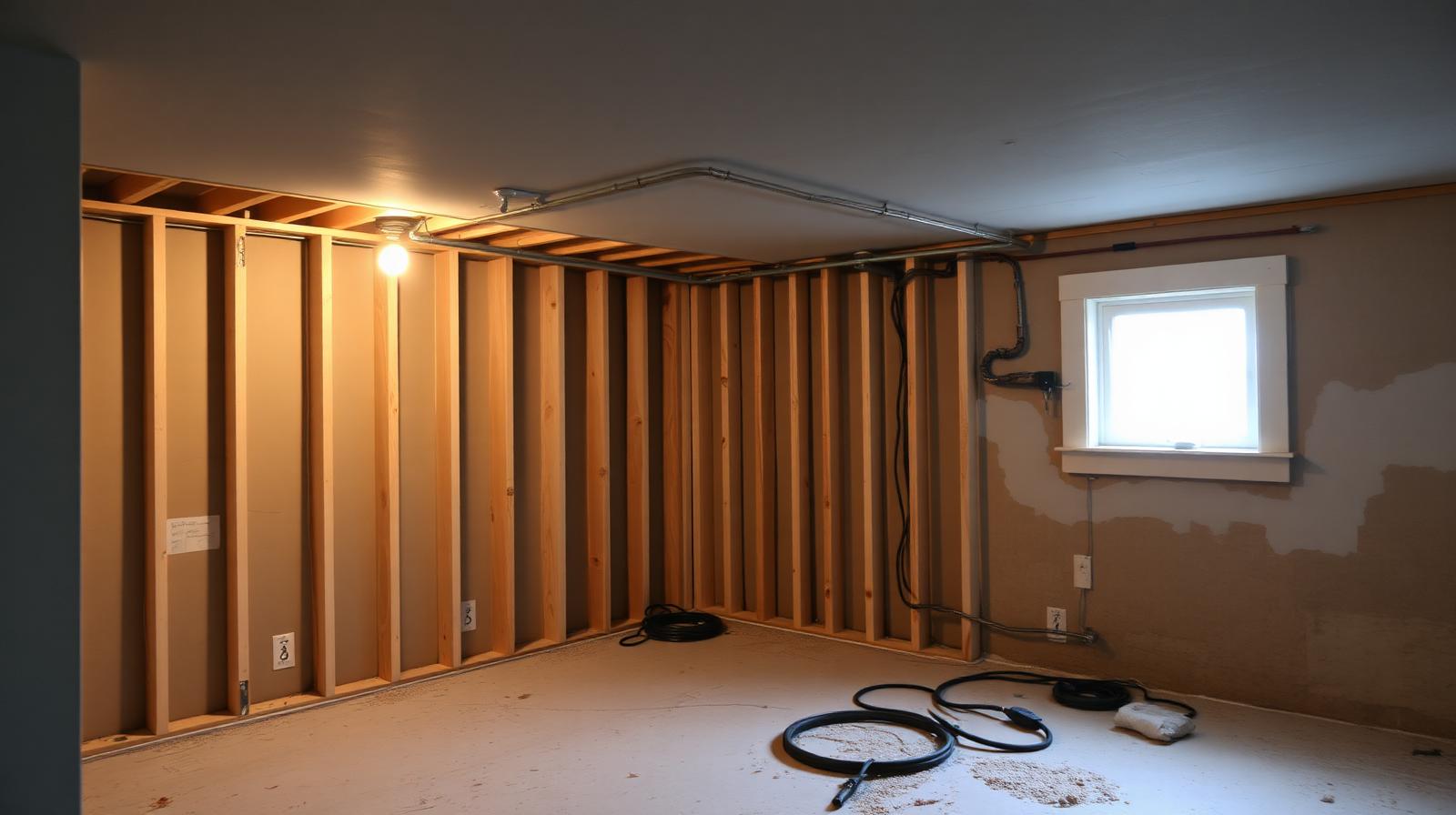
A finished basement no one pulled a permit for. A second unit the previous owner built. A deck that grew over the years. Unpermitted work is common in older Ontario homes, and it complicates a sale in specific ways. This guide covers what to disclose, when to legalize before selling, and what an as-is offer usually looks like.
What actually counts as unpermitted work
In Ontario, the Ontario Building Code and each municipality's zoning bylaws determine what needs a permit. Common categories that require one and are frequently done without:
- Basement finishing with bedrooms, bathrooms, or a second kitchen
- Second dwelling units (basement apartments, garden suites)
- Additions or dormers
- Structural wall removals (load-bearing or partial)
- Decks over 24 inches high or larger than 108 square feet
- Detached garages and large sheds
- Electrical panel upgrades and most subpanels (ESA authorization also required)
- New plumbing rough-ins
- Fireplace or wood stove installations
Cosmetic work (paint, flooring, cabinets, trim, non-structural drywall) does not need a permit. Neither do like-for-like replacements of most fixtures.
Figure out what was actually permitted
Two straightforward checks:
- Request a permit history from your municipality. Most Ontario cities will provide a history search for $50 to $200 within 5 to 15 business days. You get a list of every permit issued for the property.
- Order an ESA electrical history search. The Electrical Safety Authority tracks authorizations. Wiring done without ESA authorization is a common issue on older basements.
Cross-reference the results with what physically exists in the home. Anything present but not permitted is unpermitted work.
Legalize first, or sell as-is?
| Approach | When it makes sense |
|---|---|
| Legalize with retroactive permits | The work is close to code, you have time (3 to 9 months), and legalizing meaningfully raises value (usually a second unit) |
| Sell as-is with disclosure | Work is significant, opening walls to inspect is impractical, or you need to move quickly |
| Remove the work | Rare, but works when the unpermitted addition is a small non-structural element and removing is cheaper than legalizing |
Legalizing a basement unit in most Ontario municipalities runs $8,000 to $30,000 including permit fees, required upgrades (fire separation, egress windows, interconnected smoke alarms), and any code corrections found during inspection. If the unit rents for $1,800 per month, the math often works. If you are selling to a family who will use it as a rec room, it usually does not.
Disclosure rules
Ontario follows caveat emptor for patent (visible) defects. Unpermitted work is typically a latent issue, because a buyer touring the home cannot tell from looking. Courts have held that failing to disclose known unpermitted work, especially when it affects safety or triggers a work order, exposes the seller to damages.
Standard disclosure practice:
- List each area of unpermitted work in the Agreement of Purchase and Sale
- Attach the municipal permit history search
- Attach any ESA electrical history
- Note anything you have no records for and cannot confirm
Why financing gets complicated
When a lender's appraiser notices unpermitted work (finished basement not in tax records, obvious add-on, second kitchen), they typically flag it. Some lenders will still finance at reduced loan-to-value. Others will require the seller to legalize before closing, or walk away.
Second units are the sharpest issue. If the buyer is counting on rental income to qualify for the mortgage, the lender may refuse to include income from an illegal unit. The deal collapses at financing conditions.
Who buys homes with unpermitted work
- Investors. Comfortable with the risk, often planning to legalize the work themselves as part of a rental strategy.
- Cash buyers. No lender involvement means no financing snag. Close quickly, work things out with the city on their own timeline.
- Retail buyers with strong finances. Will accept the risk if the price reflects it. Usually only after price cuts on an MLS listing.
What offers usually look like
Rough pricing for an as-is sale:
| Scope of unpermitted work | What a cash offer usually looks like |
|---|---|
| Cosmetic-adjacent (deck, shed) | Minimal impact on value |
| Finished basement, no second unit | Modest discount to permitted-equivalent value |
| Illegal second unit generating rent | Meaningful discount for lost income and re-permit risk |
| Structural work (walls, additions) | Substantial discount, buyer reopens and re-engineers |
Numbers move based on how close the work is to code, how easy legalization would be, and the local rental or resale market. A serious buyer will give you a firm written offer after a walkthrough and a look at your permit history.
Selling a home with permit issues?
Share the basics and we will book a walkthrough. You will have a written as-is offer within 48 hours, plus an honest opinion on whether legalizing first would net you more.
Frequently asked questions
Can I sell a house with unpermitted work in Ontario?
Yes. Unpermitted work does not block a sale, but it must be disclosed and it narrows the buyer pool. Retail buyers with financing sometimes back out once their lender or inspector flags the work. Cash buyers and investors buy these homes routinely.
What counts as unpermitted work?
Any construction that required a building permit under the Ontario Building Code and did not get one. Common examples: basement apartments, finished basements with bathrooms, second-storey additions, deck rebuilds over a certain size, structural wall removals, electrical panel upgrades, and most plumbing rough-ins.
Can I get retroactive permits for old work?
Sometimes. Municipalities offer retroactive or 'as-built' permits, but the work has to be inspected and brought up to current code. That may mean opening walls, upgrading electrical, or replacing non-conforming materials. Costs range from $2,000 for simple items to $30,000+ for a full basement legalization.
Do I have to tell buyers about unpermitted work?
Yes. Known unpermitted work is a material fact. Concealing it exposes you to lawsuits after closing, especially if the buyer later gets a work order from the city. Disclose in writing on the Agreement of Purchase and Sale.
How much does unpermitted work reduce my sale price?
Depends on what it is. A deck or shed without a permit usually has minimal impact. A finished basement without permits pulls the number down modestly. An illegal second unit that generated rental income cuts more, because the buyer may lose that income once the city flags it. Structural work without permits (removed load-bearing walls, second-storey additions) leads to a substantial discount, because a buyer may have to reopen the walls, re-engineer, and re-permit. Cash buyers price all of that risk in, so expect a discount rather than a top-dollar offer.
Thinking of skipping the listing process?
Share a few details about your Ontario property and we will come back with a no-obligation offer.