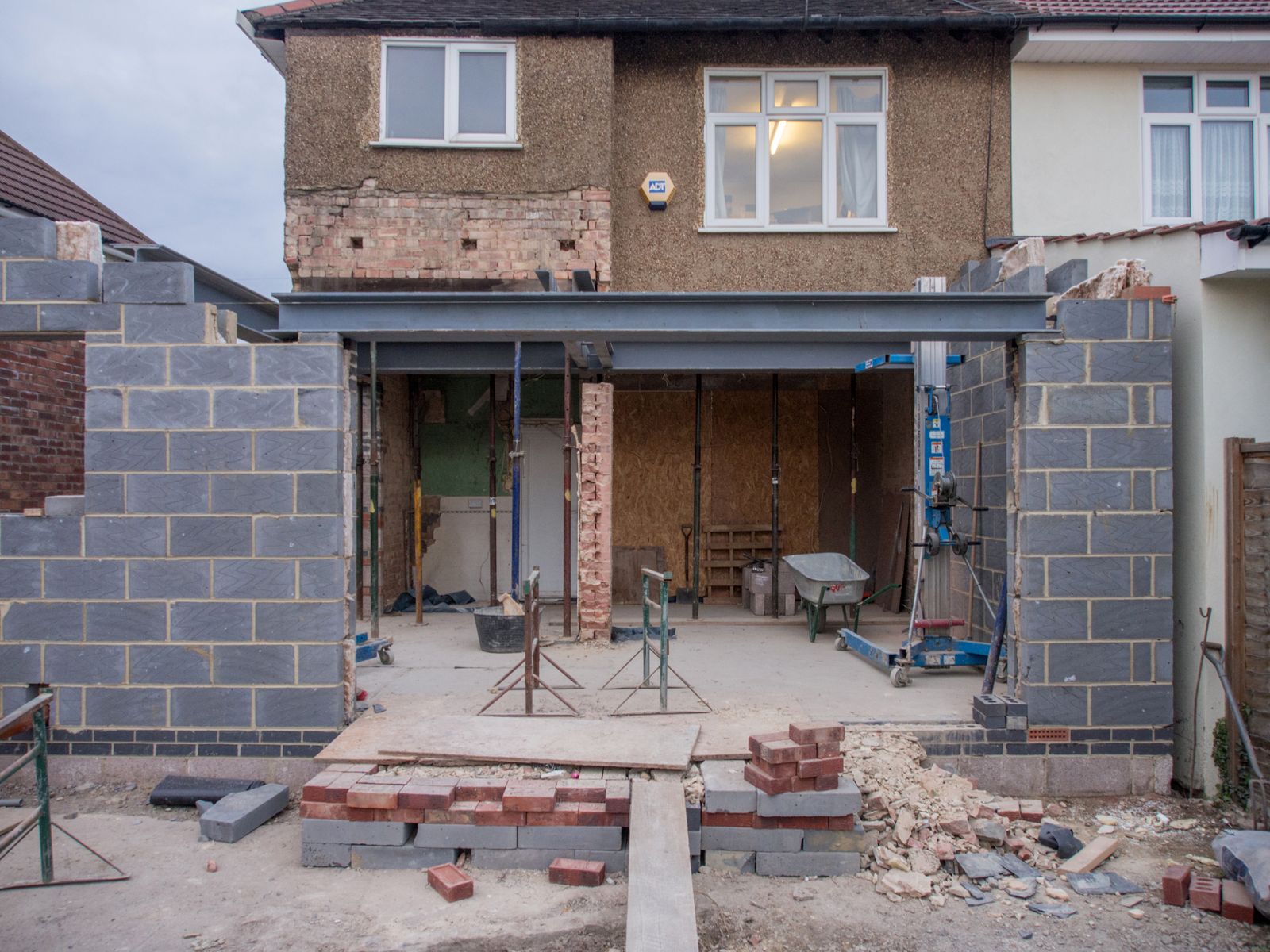
Not every home is show-ready. Some need new floors, a new roof, or a full gut. If yours falls somewhere on that spectrum, you have real options. This guide covers what is worth fixing, what to skip, and how to think about a traditional listing versus a direct sale when the house needs work.
Start with an honest look at the house
Before making any decisions, walk the house with a notepad or a friend who will tell you the truth. Group what you find into three buckets:
- Cosmetic: paint, carpet, dated fixtures, worn cabinets, cluttered rooms, tired landscaping.
- Functional: old furnace, old roof, older windows, dated electrical panel, aging kitchen or bathrooms.
- Structural or safety: foundation cracks, active leaks, mould, knob-and-tube wiring, oil tanks, ungrounded outlets, sagging beams.
Buyers, lenders, and insurers all react very differently to those three buckets. Cosmetic is easy to price around. Functional trims the buyer pool a little. Structural or safety issues can knock most retail buyers out entirely, because they cannot get insured or financed on the property in its current state.
What lenders and insurers actually care about
This is the piece most sellers underestimate. A retail buyer with a mortgage needs both a lender and a home insurer to say yes. Common issues that make one or both say no in Ontario:
| Issue | What usually happens |
|---|---|
| Knob-and-tube wiring | Most major insurers will not bind coverage; buyer cannot close with a standard mortgage. |
| Active roof leak or missing shingles | Insurer excludes water damage or refuses the policy outright. |
| Oil tank (especially older than 15 years) | Most insurers decline; some require replacement within 30 days of closing. |
| Aluminum wiring | Insurable, but often requires a pigtail inspection and remediation. |
| Wood stove without a WETT inspection | Insurer either excludes or requires WETT certification before binding. |
| Vermiculite insulation (Zonolite) | Testing required; asbestos-positive samples reduce the buyer pool significantly. |
| Underground storage tanks, buried oil tanks | Environmental concerns; many buyers walk away entirely. |
None of these are unsolvable. But solving them costs real money, real time, and often permits and inspections the seller was not planning on. That is the calculation you are making.
What is usually worth fixing
For most homes, the highest-return prep work is small and cheap:
- Deep clean, including windows, appliances, baseboards, and any lingering odours.
- Declutter and remove personal items, especially from countertops, bathrooms, and closets.
- Fresh neutral paint on the worst walls, not necessarily the whole house.
- Basic landscaping and curb appeal: mown lawn, edged beds, swept walkway.
- Replace or repair anything actively broken (a leaking tap, a dead light fixture, a missing outlet cover).
These items combined are usually under $2,000 and can move the needle noticeably in showings and photos.
What is rarely worth fixing
In most Ontario markets, these do not return their cost on a sale, especially if the house also has bigger issues stacked on top:
- Full kitchen or bathroom renovations.
- New flooring throughout.
- Finishing a basement.
- Replacing windows.
- Roof replacement solely to attract a better sale price (versus doing it because it is actively leaking).
The problem is not that these improvements have no value, it is that a retail buyer paying you to redo them will still want their own choices, and appraisers rarely credit the full cost.
Listing as-is versus selling direct
Both paths are available. Neither is automatically better. What they look like in practice:
| Path | What to expect | Best fit |
|---|---|---|
| List as-is with an agent | Full MLS exposure, but a much smaller buyer pool if the home has insurance or financing issues. Expect longer days on market and offers with lots of conditions. | Homes that are dated but still insurable and financeable, in strong neighbourhoods where owner-occupant demand is high. |
| Sell direct to an investor | A written offer, a chosen closing date, no showings and no repairs on your end. Conditional periods are usually shorter and more predictable than a retail offer. Price reflects the work the buyer has to take on. | Homes with structural, safety, insurance, or financing issues, or sellers who value certainty and speed over the last few dollars of price. |
How a direct buyer looks at a home that needs work
Any serious buyer starts from the same rough calculation: what would the home sell for after repairs, minus the cost of the repairs, minus carrying and resale costs, minus their return. We break the math down in We Buy Houses Ontario: How These Companies Actually Work.
For distressed properties, this calculation is often the fairest way to price the home. It builds in the contractors, the permits, the carrying costs, and the risk. A retail listing on the same property often produces a lower net after months of price drops, holding costs, and one or two conditional offers falling apart.
Have a house that needs work?
Tell us what you know, warts and all. We will come back with a written, as-is offer and an honest opinion on whether listing might still make sense for your property.
Frequently asked questions
Can I sell a house in Ontario without doing any repairs?
Yes. You can list any property as-is, or sell directly to a buyer who accepts it in its current condition. You still have a legal duty to disclose known latent defects (hidden issues that make the home dangerous or uninhabitable), but you do not need to fix cosmetic or functional problems before selling.
What is the difference between a latent and a patent defect?
A patent defect is visible on a normal walkthrough (peeling paint, worn floors, an obviously old roof). A latent defect is hidden and would not be discovered by a reasonable inspection (a chronic basement leak that has been hidden, a foundation crack behind drywall). Ontario law requires disclosure of latent defects you know about; patent defects are considered buyer beware.
Will retail buyers still make offers on a home that needs work?
Some will, but the pool shrinks quickly. Many buyers cannot get insurance or financing on homes with knob-and-tube wiring, active leaks, oil tanks, or a failing roof. That is the main reason distressed homes tend to attract investor offers rather than owner-occupant offers.
Is it worth doing repairs before selling?
Sometimes yes, usually only for small, high-impact items like paint, a full clean, minor landscaping, and dealing with obvious safety issues. Anything that requires permits, contractors, or more than a few thousand dollars often does not return its cost on the sale price, especially in a slower market.
Thinking of skipping the listing process?
Share a few details about your Ontario property and we will come back with a no-obligation offer.