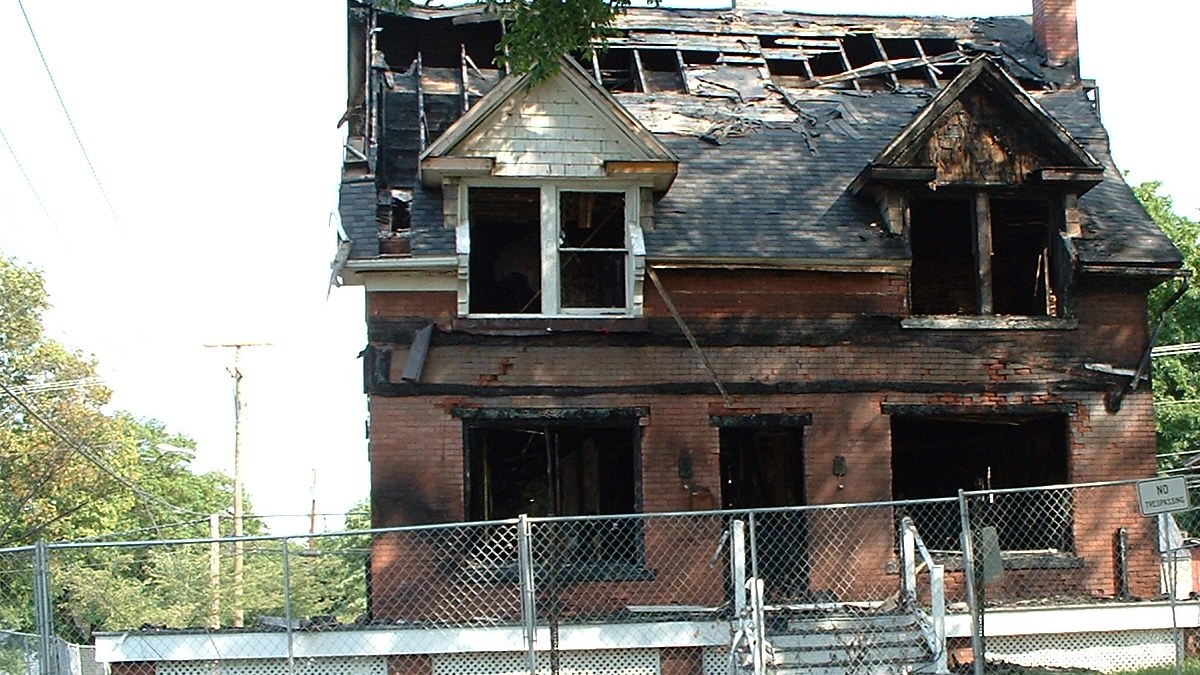
A house fire is one of the hardest things a homeowner can go through. Once the smoke clears, the decisions start. Restore and stay? Restore and sell? Or sell as-is and let someone else handle the rebuild? This guide walks through selling a fire-damaged home in Ontario, what disclosure looks like, how insurance interacts with the sale, and what an as-is offer usually looks like.
First, understand what you are dealing with
Fire damage sits on a spectrum. Roughly:
- Smoke and soot only. No structural damage. Contents affected, walls need cleaning or repainting. Restoration is straightforward, typically $10,000 to $40,000.
- Contained fire. One room or area burned. Drywall, insulation, sometimes framing needs replacement. Restoration $40,000 to $120,000 and 2 to 4 months.
- Major structural fire. Roof, load-bearing walls, or multiple floors compromised. May require partial demolition and rebuild. $150,000 to $400,000+ and 6 to 12 months.
- Total loss. Home is not habitable and cannot be restored. Value is essentially the land minus demolition cost.
Your insurance adjuster's report will spell out the scope. A private engineer's report ($1,500 to $3,000) gives you an independent second opinion, useful if you disagree with the insurer or need documentation for a buyer.
How insurance interacts with the sale
If you have an active claim, coordinate with your adjuster before listing or accepting any offer. Two things matter:
- Mortgagee endorsement. Most policies name your lender as a co-payee on claim cheques. You cannot simply cash the cheque and sell. Your lender's involvement will affect how the funds flow.
- Assignment of proceeds. In many as-is sales, the seller keeps the insurance payout for repairs already released, and the buyer purchases the home at its damaged value. Sometimes the payout is assigned to the buyer as part of the deal. Either structure can work.
A lawyer familiar with fire-loss transactions is worth every penny here. Ask specifically if they have closed deals with active insurance claims.
What you have to disclose
Ontario is a caveat emptor province, but the Supreme Court has been clear that sellers cannot conceal known latent defects that make a home dangerous or uninhabitable. Fire damage almost always meets that bar. In practice:
- Disclose the fire in writing, including the date and cause if known
- Provide the insurance claim number and adjuster's report if you have it
- Note any repairs completed and by whom
- Flag anything that was inspected but not repaired (wiring, HVAC, framing)
Fold this into the Seller Property Information Statement (SPIS) if you use one, or into the Agreement of Purchase and Sale as a specific representation. Skipping this step is the fastest way to end up in court after closing.
Who actually buys fire-damaged homes
The buyer pool is narrow but real:
- Cash investors. Buy as-is, often close in 2 to 4 weeks, handle the restoration or rebuild themselves.
- Renovation-focused buyers. Individuals who buy fire homes to restore and live in or resell. Rare, but they pay slightly more than pure investors.
- Builders and developers. If the lot has value beyond the structure, a builder may pay land value and demolish.
Traditional retail buyers are effectively out, because their lender will not fund a mortgage on a home with unrepaired fire damage. That is why listing on MLS for a fire-damaged home typically produces investor offers anyway, after weeks of showings.
What the numbers usually look like
Rough as-is pricing on a fire-damaged Ontario home:
| Damage level | What a cash offer usually looks like |
|---|---|
| Smoke and soot only | Modest discount to restored value |
| Contained single-room fire | Meaningful discount to cover repairs and time |
| Major structural fire | Deep discount, buyer absorbs the full rebuild and risk |
| Total loss (land value only) | Land value minus $15,000 to $40,000 demolition |
Every situation is different. Location, lot size, and how quickly you need to close all move the number. Any serious buyer will give you a firm written offer after a walkthrough, usually within 48 hours.
Choosing a path forward
Two questions cut through most of the noise:
- Do I want to be the one managing the rebuild? Even with insurance funding, rebuilds take months of decisions, contractor coordination, and living somewhere else. If the answer is no, an as-is sale buys back your time and finality.
- What is my net either way? Insurance payout + as-is sale vs. restored home minus contractor overages minus months of alternate housing. Do the math on both before deciding.
Dealing with a fire-damaged home?
Send us a few details and we will come out for a walkthrough. You will have a written offer within 48 hours, with no expectation to accept.
Frequently asked questions
Can I sell a fire-damaged house in Ontario?
Yes. There is no rule against selling a home that has fire damage, whether the damage is cosmetic smoke and soot or full structural loss. You will need to disclose the damage, and the buyer pool narrows to cash buyers and investors because most lenders will not finance a home in unrepaired fire condition.
Do I have to tell buyers about a past fire?
Ontario follows caveat emptor for most defects, but you cannot actively conceal a known material issue. Any fire that caused structural damage, affected wiring, or triggered an insurance claim is material. Disclose it in writing. Hiding it opens you up to a lawsuit after closing.
Should I fix the fire damage before selling?
Only if the numbers make sense. Full restoration on a mid-sized Ontario home can run $80,000 to $250,000 depending on the extent of the damage, and it takes months. If your insurance is covering it and you plan to stay, restore. If you want out, an as-is sale to a buyer who specializes in fire jobs is usually faster and cleaner.
Will my insurance payout affect the sale?
Yes, in your favour. If your insurer has released a claim cheque for repairs and you sell before spending it, you keep the funds (subject to your policy terms and any mortgagee endorsement). Many sellers use the insurance proceeds plus the as-is sale price as their real 'net' when comparing offers.
How much less will a fire-damaged home sell for?
It depends on the scope. Light smoke damage in one room means a modest discount to what the home would fetch fully restored. Structural damage with a compromised roof or exterior means a substantial discount, because the buyer is taking on the rebuild, the timeline, and the risk. No cash buyer, us included, is going to pay top dollar on a fire home. The trade-off is that you skip the rebuild, the insurance back-and-forth, and months of alternate housing. A specialist buyer will give you a firm number after a walkthrough.
Thinking of skipping the listing process?
Share a few details about your Ontario property and we will come back with a no-obligation offer.